How to Maintain and Clean Your Sliding Glass Pet Door for Long-Term Use
Keep Your Sliding Glass Pet Door Working Smoothly for Years
Pets rely on routine. When their pet door starts sticking, gets noisy, or doesn’t seal the way it used to, they feel it just as much as you do. If you are in Utah and depending on a sliding glass pet door to keep your home comfortable and your pet confident, the right upkeep makes a huge difference. This guide walks you through practical, homeowner-friendly steps that keep your door clean, insulated, and easy to use long-term.
What We’ll Cover:
- Why Maintenance Matters More Than You Think
- How to Clean the Glass, Frame, and Tracks
- Weatherstripping, Seals, and Energy Efficiency Care
- Flap Care and Long-Term Durability Tips
- When to Call a Professional
- Expert Insight You Can Count On
- A Helpful Next Step
- FAQ
- Conclusion That Helps You Move Forward
- Related Reads
Why Maintenance Matters More Than You Think
Here is the thing. A sliding door performs best when its tracks are clear, the seals stay soft, and the glass stays clean. Add a built-in pet door, and the moving parts naturally multiply. A quick routine, performed every so often, protects your investment and prevents problems before they start.
Consistent care helps:
- Keep your home insulated
- Protect the door from early wear
- Maintain smooth, quiet operation
- Prevent energy loss
- Keep pets comfortable and confident using the door
You invested in a premium product. A few basic habits keep it performing at its highest level.
How to Clean the Glass, Frame, and Tracks
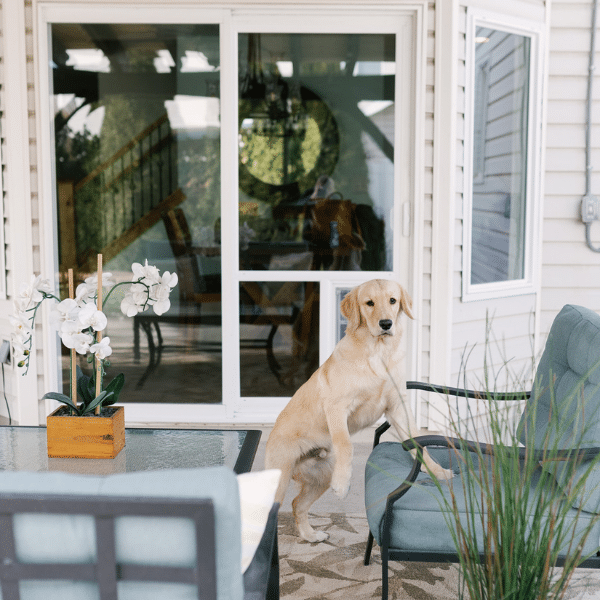
Clean the Glass
Clear glass does more than improve visibility. It helps the entire door look newer and perform better.
- Use a mild glass cleaner or a vinegar mix
- Wipe with a microfiber cloth
- Remove paw marks, nose prints, and water spots
- Dry fully so streaks do not reappear
If you have Low E or insulated glass, this also helps protect its thermal performance.
Clean the Frame
Your frame collects dust, pet hair, and outdoor debris over time.
- Wipe with warm water and a gentle soap
- Avoid abrasive scrubbers
- Clean around the pet door interior where oils and dirt collect quickly
This keeps the material looking great and prevents grime from building into the seals.
Clean the Tracks
Tracks silently take the most abuse. Dirt in the base of the track is usually the reason a slider begins to drag or jam.
- Vacuum loose debris
- Use a small brush to loosen stuck dirt or pet hair
- Wipe with warm water
- Dry fully before sliding the door back into place
If the door still feels heavy or grinds when you open it, the rollers may need a closer look.
Weatherstripping, Seals, and Energy Efficiency Care
Inspect the Seal Areas
Pet door performance depends heavily on healthy seals. Even small gaps let outside air enter your home.
- Look for dryness, cracks, or stiff sections
- Check for gaps near the pet door frame
- Press seals lightly to test flexibility
The more airtight the door stays, the better your energy efficiency.
Clean and Maintain the Seals
Dust and oils break down seals over time.
- Wipe seals with a damp cloth
- Keep the magnet areas free of debris
- Inspect the flap hinge area for buildup
After Utah’s hot summers or freezing winters, give everything a quick check to make sure the material is still in good shape.

Why This Matters
Hot and cold air naturally tries to move through weak points. Good seals save money, prevent drafts, and help your pet door last longer.
Flap Care and Long-Term Durability Tips
Clean the Flap
A dirty flap gets stiff and can stop closing properly.
- Wash gently with warm, soapy water
- Wipe dry on both sides
- Inspect edges for minor cracks
Keeping the flap clean helps preserve its flexibility.
Check Magnet Alignment
Magnets are what create the secure, wind-resistant closure.
- Make sure the magnets line up
- Remove dirt or pet hair from the contact points
- Let the flap swing freely to check that it seats into place naturally
A strong, clean magnetic seal prevents drafts and helps the flap last longer. If you need more control, you can also review tips on adjusting the magnet strength for your flap system.
Signs It’s Time to Replace the Flap
Flaps naturally wear out. Here’s what to look for:
- Cloudy material that no longer clears up
- Torn or curled corners
- Weak hinge area
- Poor sealing even after cleaning
A fresh flap instantly improves insulation and functionality. If your pet has a habit of chewing, this guide to prevent your pet from chewing on your doggy door flap can help extend flap life.
When to Call a Professional
Some issues require more than a cleaning cloth.
- The door sticks even after the tracks are cleaned
- The sliding glass panel no longer sits level
- The rollers show signs of damage
- There is condensation between glass panes
- The pet door frame moves or feels loose
Any of these situations can get worse with time. A professional can correct alignment, replace parts, or adjust hardware for you.
Expert Insight You Can Count On
At Pet Door Products, we have worked closely with homeowners all over Utah who want a durable, attractive pet access solution that stays reliable for years. With your door installed correctly and maintained regularly, you can expect long-term smooth operation regardless of climate, pet size, or daily use.
Simple routines protect the lifespan of your investment and keep your home more comfortable year-round.
A Helpful Next Step
If your sliding glass pet door is aging or you notice more wear than expected, this might be the right time to explore a newer, more energy-efficient option. Upgraded glass, better seals, and stronger frames all help reduce maintenance over time.
If you want to explore the possibilities, you can review the different sliding glass pet door conversion options to find the one that best fits your home.
If you are ready to compare real pricing for your opening, you can request a quick estimate so you know exactly what to expect.
Frequently Asked Questions
Conclusion That Helps You Move Forward
A clean, well-maintained sliding glass pet door pays you back every day. It moves smoothly, keeps your home insulated, and gives your pet the freedom they expect. With a few simple habits, the door stays reliable long term and continues looking good in your home.
If you are thinking about upgrades, improvements, or replacements, feel free to explore the options and see what fits your space. A better-performing door makes life easier for everyone in the home.
Related Reads:

- Endura Flap Pet Door: Energy-Efficient Dog Door Guide - March 17, 2026
- What Makes a Sliding Glass Dog Door the “Best”? - March 2, 2026
- Why A Door With A Dog Door Makes The Holidays Easier For Busy Pet Owners - December 12, 2025